

Seasonal Hair Shedding: Why It Picks Up in Fall and What’s Normal


If your brush and shower drain have been catching more hair since late August, the time of year may be part of the reason.
Seasonal hair shedding has been documented in several studies. In a study of 823 otherwise healthy women seen for hair-loss concerns at the University Hospital of Zürich, the share of resting hairs peaked in summer and was lowest in late winter. Here is why, what counts as normal, and how seasonal shedding differs from telogen effluvium and alopecia areata.
Why Hair Shedding Picks Up in Late Summer and Fall
Each hair follows its own growth cycle. At any moment, about 85% of your hair follicles are growing hair and about 15% are resting, a phase called telogen. After a few months of rest, a new hair grows in underneath and pushes the old one out, so some shedding every day is simply the cycle at work.
What changes with the seasons is how many hairs rest at the same time. The Zürich study found the most resting hairs in summer and what looked like a smaller rise in spring. An earlier study that followed ten men for 8 to 14 years placed the peak at the end of summer and the beginning of autumn. Its authors linked the rhythm to hours of sunshine and noted that changes in resting hairs mirror how much hair is actually shed.
How Much Shedding Is Normal
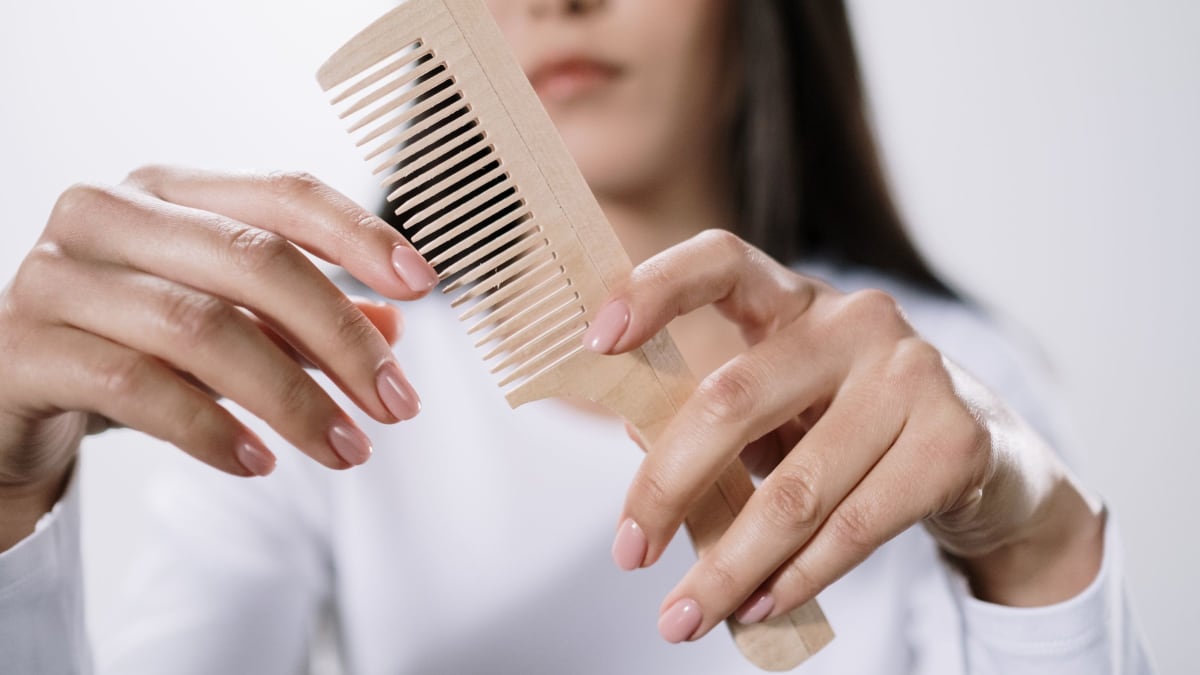
The American Academy of Dermatology (AAD) says it’s normal to shed between 50 and 100 hairs a day. Few people count, so watch instead for a change from your own normal, such as a ponytail that suddenly feels thinner. Seasonal shedding follows the yearly rhythm above, so it tends to ease through the fall and settle by late winter.
Tina made the same point when Bustle asked her about the fall shed in September 2026: “Watch the pattern, not one scary shower.”
Shedding significantly more than 50 to 100 hairs every day is called excessive hair shedding, and that is where telogen effluvium comes in.
How Seasonal Shedding Differs From Telogen Effluvium and Alopecia Areata
All three can put extra hair in your brush, but they have different causes and different next steps.
Telogen effluvium
Telogen effluvium is the medical term for excessive shedding. The AAD lists stressors that commonly bring it on, including giving birth, a high fever, an operation, losing 20 pounds or more, intense stress and stopping birth-control pills. Most people notice the extra shedding a few months after the event, and within six to nine months the hair tends to regain its normal fullness. If the stressor continues, the shedding can last longer. Our telogen effluvium guide explains the timing and triggers.
Alopecia areata

Alopecia areata is different. According to the National Institutes of Health, it happens when the immune system attacks hair follicles, and the hair typically falls out in small, round patches about the size of a quarter. Anyone can have it, at any age. September is Alopecia Areata Awareness Month, and our alopecia areata guide explains the condition in depth. If you notice a smooth, round bald patch, see a board-certified dermatologist rather than waiting for the season to pass.
| Type | What You Notice | When It Happens | What to Do |
|---|---|---|---|
| Seasonal shedding | You see a little more hair than usual in your brush or drain. | It shows up in late summer and early fall. | Keep your routine gentle and learn your normal. |
| Telogen effluvium | You shed clearly more than your usual. | It starts a few months after a stressor such as childbirth. | It usually settles on its own. See a dermatologist if the amount worries you or it lasts past six months. |
| Alopecia areata | You find round or oval bald patches, often about the size of a quarter. | It can begin suddenly, at any age. | See a board-certified dermatologist. |
In August 2026, JAMA Dermatology published two Phase 3 trials of upadacitinib, an oral prescription medicine, in adults and adolescents with severe alopecia areata. After 24 weeks, about 55% of participants on the 30 mg dose had 80% or more of their scalp covered with hair, compared with 1.5% and 3.4% of those on placebo in the two trials. The European Commission approved it in July 2026 for severe alopecia areata in people aged 12 and older, and as of September 2026 it is still under FDA review in the US.
This news has no connection to AWARE Hair or our products.
A Gentle, Scalp-First Routine for the Season
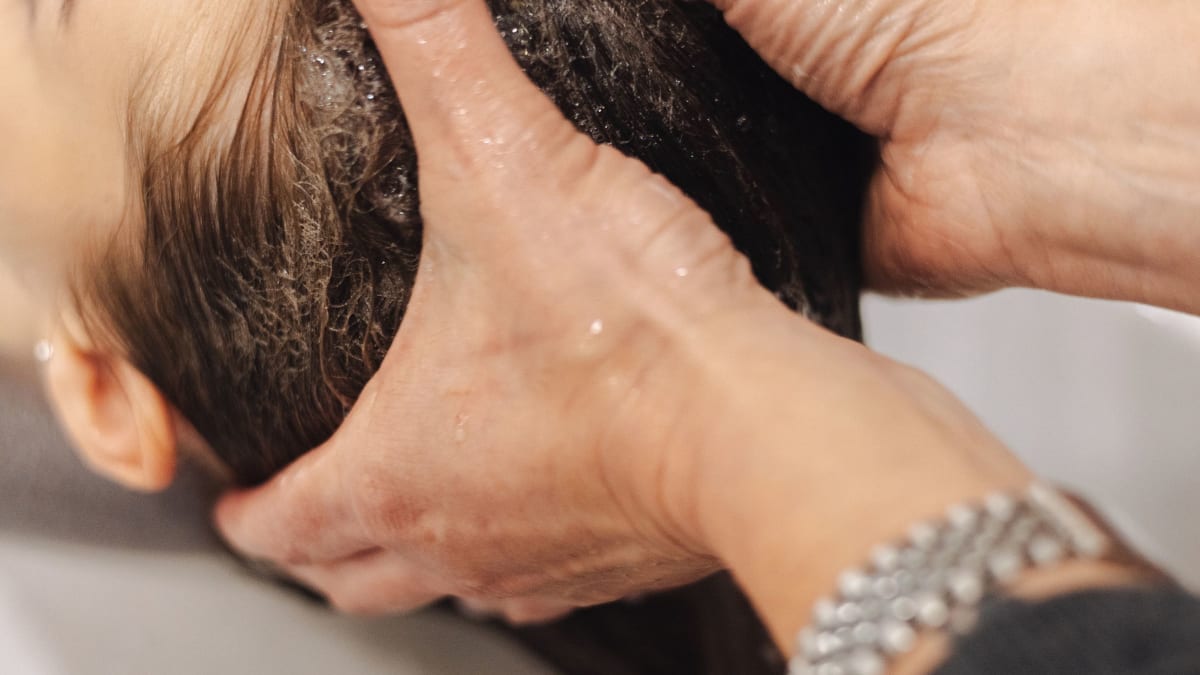
Shampoo is not among the shedding triggers the AAD lists, so a different one is unlikely to stop seasonal shedding. A steady routine keeps the scalp clean and comfortable, protects the hair you have, and helps you spot changes that are not seasonal.
- Cleanse the scalp itself. Massage shampoo into the skin with your fingertips and rinse well. Tina often sees roots weighed down by summer sweat, oil, sunscreen and styling residue, which makes hair look thinner than it is.
- Condition the scalp, too. If your scalp feels dry or tight after summer, use the 9·1 Professional Scalp Care Conditioner as a weekly scalp mask.
- Protect the lengths. Sun, heat and swimming leave the ends dry and easier to snap. A leave-in with heat and UV protection, such as our 9·1 Professional Leave-In Styling Conditioner, helps shield them through fall.
- Ease up on tension. Give your hairline a break from tight ponytails and buns, since hairstyles that pull on the hair can cause hair loss.
- Take a few minutes for your scalp. A fingertip massage or a scalp gua sha can feel relaxing. One small study of nine men found slightly thicker hairs after 24 weeks of daily scalp massage with a device (Koyama et al., Eplasty, 2016), but the research is early, so we would not expect massage to change seasonal shedding. Our scalp gua sha guide shows the technique.
“The best approach is not to panic over every shed hair, but to keep the scalp clean, protect the hair itself, and notice when a change is lasting rather than seasonal.”
Tina Mui, Certified Trichologist
The Bottom Line
A rise in shedding in late summer and fall can simply be the hair cycle doing what it does every year. Keep your routine gentle and steady, and see a board-certified dermatologist about bare patches, or about shedding that worries you or carries on past winter.
Frequently Asked Questions
Is it normal to shed more hair in the fall?
Yes. Studies that tracked hair through the year found the most resting hairs in summer, and one placed the peak at the end of summer and the start of autumn. That rhythm is one reason you may notice more hair in your brush in the fall, and it is a normal part of the hair cycle.
Will changing my shampoo stop seasonal shedding?
Unlikely. Seasonal shedding follows the hair cycle, and the AAD’s list of shedding triggers does not include shampoo. A gentle, thorough cleanse leaves the scalp comfortable and free of buildup while the season runs its course.
When should I see a dermatologist about hair shedding?
Book a visit if you notice a round or oval bald patch, if your part or ponytail looks noticeably thinner, or if the amount you are losing worries you or carries on past winter. A dermatologist can tell you whether it is hair loss, excessive shedding, or both.
- Kunz M, Seifert B, Trüeb RM. “Seasonality of hair shedding in healthy women complaining of hair loss.” Dermatology. 2009;219(2):105-10. PMID 19407435
- Courtois M, Loussouarn G, Hourseau S, Grollier JF. “Periodicity in the growth and shedding of hair.” Br J Dermatol. 1996;134(1):47-54. PMID 8745886
- DermNet. “Telogen effluvium (hair shedding).” dermnetnz.org
- American Academy of Dermatology. “Do you have hair loss or hair shedding?” aad.org
- American Academy of Dermatology. “Hair loss types: Alopecia areata overview.” aad.org
- National Institute of Arthritis and Musculoskeletal and Skin Diseases (NIH). “Alopecia Areata.” niams.nih.gov
- National Alopecia Areata Foundation. “Alopecia Areata Awareness Month.” naaf.org
- Mostaghimi A, Gooderham MJ, Lynde C, et al. “Upadacitinib for Severe Alopecia Areata in Adults and Adolescents: Two Phase 3 UP-AA Randomized Clinical Trials.” JAMA Dermatol. Published online August 12, 2026. doi:10.1001/jamadermatol.2026.2853. PMID 42584887
- National Alopecia Areata Foundation. “Phase 3 Trials Shows Strong Hair Regrowth with Upadacitinib for Severe Alopecia Areata.” August 21, 2026. naaf.org