

How to Choose a Scalp Care Shampoo for Fine Hair and Buildup
Fine hair tends to show everything at the root first.
A little oil, a layer of dry shampoo or yesterday’s styling cream is enough to flatten fine strands by the second day. The right shampoo will not change the hair you were born with, but it can stop the scalp from undoing your volume. Here is what to look for, how to use it, and when to reach for a deeper clarifying wash.
Why Fine Hair Goes Flat at the Root
Fine strands are light, so whatever sits on the scalp reaches them quickly and weighs them down sooner. The usual causes are natural oil (sebum), dry shampoo and styling products that pile up between washes. When the roots lie flat, hair can look thinner than it really is, even though nothing about the hair itself has changed.
That is why the American Academy of Dermatology suggests applying shampoo to your scalp rather than the full length of your hair, so you wash away built-up product, dead skin and excess oil without drying out the ends. For fine hair, the scalp is where the cleanse counts most.
What to Look For on the Label
The back of the bottle tells you more than the front, and your roots the next morning tell you the rest. Check for three things.
- A scalp-first purpose. The directions should tell you to massage the shampoo into the scalp, not just lather the lengths, because that is where oil and residue collect.
- A cleanser that suits how often you wash. Many people who wash often or color their hair start with a formula made without SLS and SLES (sodium lauryl sulfate and sodium laureth sulfate). Treat that as a starting point rather than a guarantee, because the whole formula decides how a shampoo feels.
- Conditioning that stays light. Fine hair shows heavy conditioning quickly. Judge a formula by how your roots look and feel the morning after, not by a single word on the label.
How do your roots feel the day after washing?
Wash at the scalp more often with an everyday scalp-care shampoo, and keep conditioner on the ends.
Shampoo twice at the scalp, and add an occasional clarifying wash if the coating comes back quickly.
Keep the cleanse gentle, use your fingertips rather than your nails, and rinse well.
How to Use It So It Works
Technique matters as much as the formula.
- Wet your hair thoroughly first, so the shampoo spreads across the scalp instead of sitting in one spot.
- Work in sections. Apply at the crown, the sides and the nape, then massage with your fingertips rather than your nails.
- Give it a moment. Follow the label on timing. Ours asks for one to three minutes on the scalp before you rinse.
- Wash twice when there is buildup. The first lather can be low while it lifts oil, and the second usually spreads more easily.
- Condition the ends. The AAD suggests that people with fine or straight hair apply conditioner to the ends, which keeps the roots light.
Everyday Shampoo or Clarifying Wash?
An everyday scalp-care shampoo is the one you reach for every wash. A clarifying wash is the occasional reset, for the weeks when dry shampoo, styling products or a run of skipped washes leave more behind than a normal wash lifts.
A few signs point to a reset: your roots feel coated even right after washing, styling products stop behaving the way they used to, or hair feels heavy a few hours after you dry it. If your scalp feels tight or itchy after washing instead, that usually calls for a gentler routine rather than a stronger one. For buildup that keeps returning, our scalp exfoliation guide covers when to go further, and if you are seeing more hair in the drain this time of year, our seasonal shedding guide explains what is normal.
Where Our Shampoo Fits
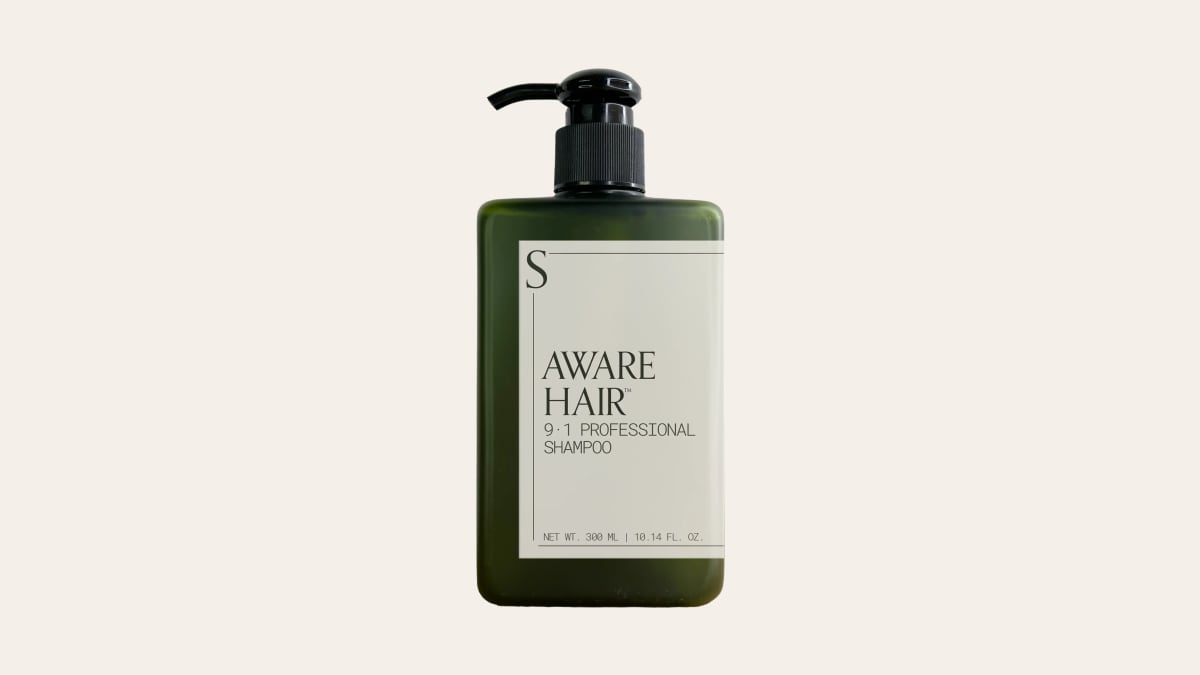
We made the 9·1 Professional Scalp Care Shampoo as an everyday scalp-care shampoo that lifts buildup, excess oil and residue from the scalp so fine hair is not weighed down at the root. In October 2026, Marie Claire named it “Best Volumizing Shampoo” in its 2026 US Beauty Awards hair care winners.
Frequently Asked Questions
How often should I wash fine, oily hair?
As often as it needs. The AAD says that if you have straight hair and an oily scalp, you may want to shampoo every day. Applying shampoo to the scalp and conditioner to the ends keeps frequent washing light.
Does dry shampoo cause buildup?
Dry shampoo soaks up oil, but it stays on the scalp until you wash it out. Between washes it is a helpful bridge. Used in place of washing, it adds to the residue that flattens fine roots.
Do I need a clarifying shampoo if I have fine hair?
Not always. If your everyday shampoo leaves your roots clean and your scalp comfortable, it may be all you need. Save a clarifying wash for the times buildup lingers after a normal wash.
Is the 9·1 Professional Scalp Care Shampoo safe for color-treated hair?
Yes. It is color-safe and silicone-free, it is formulated without SLS or SLES, and it is designed to cleanse without stripping color from natural or color-treated hair.