


GLP-1 receptor agonist medications, including semaglutide (Ozempic, Wegovy) and tirzepatide (Mounjaro, Zepbound), have helped millions of people achieve meaningful weight loss and improve metabolic health. For some users, though, these benefits have come alongside an unexpected change: increased hair shedding. If you have noticed more hair in your brush, on your pillow, or in the shower drain since starting treatment, you are not imagining it, and you are not alone. Here is what the research actually tells us about why this happens, what role your scalp environment plays, and what you can do to support your hair through this transition.
What the Research Says
The connection between GLP-1 medications and hair changes has moved from anecdotal reports to genuine scientific inquiry. Multiple peer-reviewed studies published between 2024 and 2026 have examined this relationship, and while the research is still evolving, several findings are consistent.
In clinical trials for semaglutide (Wegovy), hair loss was reported in approximately 3% of participants taking the medication, compared to 1% in the placebo group. For tirzepatide, clinical trial data showed rates of 5 to 6% at higher doses, compared to about 1% on placebo. A 2025 retrospective cohort study published in the Journal of the American Academy of Dermatology, analyzing data from a large retrospective cohort, found an association between GLP-1 receptor agonist use and a higher risk of hair loss, independent of demographic and clinical factors.
Importantly, the rates of shedding correlate with the amount of weight lost. In the Wegovy trial, 5.3% of patients who lost more than 20% of their body weight experienced alopecia, compared to 2.5% of those who lost less than 20%. This pattern is a meaningful clue about what is actually happening.
The weight loss connection is key: A 2025 review in the Journal of the European Academy of Dermatology and Venereology examined FDA Adverse Event Reporting System data and found that semaglutide and tirzepatide had the strongest associations with hair loss among GLP-1 receptor agonists. However, the authors noted that "the rapid and substantial weight reduction associated with these therapies can precipitate nutritional deficiencies," suggesting the metabolic stress of weight loss, rather than the medication's direct pharmacology, is the primary driver.
The most common type of hair loss observed in these patients is telogen effluvium, a temporary, diffuse shedding condition that occurs when a large number of hair follicles simultaneously shift from the active growth phase (anagen) into the resting phase (telogen). This is the same type of hair shedding that occurs after major surgery, high fevers, childbirth, or any significant physiological stress. It is not unique to GLP-1 medications, and it is typically reversible.
Key Takeaway: Research confirms that some GLP-1 users experience increased hair shedding, with rates correlating to the degree of weight loss. The most likely mechanism is telogen effluvium triggered by rapid metabolic change, not direct medication toxicity. This is a temporary condition in most cases.
How Rapid Weight Loss Affects the Scalp
To understand why hair shedding happens during weight loss, it helps to understand how hair grows. Each hair follicle on your scalp cycles through three phases: anagen (active growth, lasting 2 to 7 years), catagen (a brief transition phase), and telogen (resting, lasting about 3 months, after which the hair sheds naturally). At any given time, roughly 85 to 90% of your hair is in the growth phase. When the body experiences significant physiological stress, that ratio can shift dramatically.
Caloric Restriction and Hair Follicle Cycling
Hair matrix cells have one of the highest rates of cell turnover in the human body, dividing every 23 to 72 hours. This rapid division requires a continuous supply of energy and nutrients. When caloric intake drops significantly, as it often does with GLP-1 medications due to reduced appetite, the body prioritizes vital organ function over hair production. Hair follicles are not essential for survival, so they are among the first to be affected by energy restriction.
A 2024 study on telogen effluvium associated with weight loss found that rigorous caloric restriction with inadequate energy supply to the hair matrix is a direct cause of telogen effluvium. Up to 30% of scalp hairs can prematurely shift into the telogen phase within 6 to 12 weeks of significant caloric deficit, with visible shedding typically beginning 3 to 4 months after the restriction starts.
The Protein Factor
Hair is composed almost entirely of keratin, a structural protein. When appetite is suppressed, protein intake often drops alongside total caloric intake. Research published in Dermatology Practical and Conceptual found that protein malnutrition is directly associated with reductions in hair diameter and pigmentation. Even moderate protein deficiency, well short of clinical malnutrition, can affect hair follicle function when sustained over weeks or months.
Micronutrient Depletion
Beyond protein, rapid weight loss can deplete several micronutrients that are critical for healthy hair growth:
- Iron - supports oxygen transport to hair follicles. Iron deficiency is one of the most common nutritional causes of telogen effluvium, and reduced food intake can quickly lower ferritin (stored iron) levels
- Zinc - essential for hair tissue growth and repair. Zinc deficiency has been directly linked to hair loss in multiple studies
- Biotin (B7) - plays a role in keratin production. While severe biotin deficiency is rare, suboptimal levels during caloric restriction may contribute to hair fragility
- Vitamin D - helps create new hair follicle growth sites. Deficiency is common in the general population and may worsen with dietary restriction
- Omega-3 fatty acids - support scalp hydration and reduce inflammation around hair follicles. Reduced fat intake during weight loss can lower omega-3 levels
Hair shedding timeline follows a predictable pattern: Telogen effluvium typically begins 3 to 4 months after the triggering event, because it takes approximately that long for a hair follicle that has prematurely entered the telogen phase to reach the point of shedding. This is why many GLP-1 users do not notice hair changes until several months into treatment, even though the metabolic shift began at the start.
The Stress Response
Rapid weight loss is a physiological stressor, regardless of how it is achieved. When the body loses weight quickly, cortisol levels can rise in response to what the body perceives as a state of scarcity. Elevated cortisol has been shown to shorten the anagen (growth) phase of hair follicles and push more hairs into the telogen (resting) phase. For people who are also experiencing the emotional stress of a major health change, this cortisol effect can compound the metabolic one.
Key Takeaway: Hair shedding during GLP-1 treatment is typically driven by the metabolic stress of rapid weight loss, not the medication itself. Caloric restriction, reduced protein intake, micronutrient depletion, and the body's cortisol response all contribute to shifting hair follicles from active growth into a resting state. This usually becomes visible 3 to 4 months after weight loss begins.
The Scalp Environment During Weight Loss
While most conversations about GLP-1 medications and hair focus on the follicle itself, the scalp environment, the surface-level ecosystem where hair grows, deserves equal attention. A healthy scalp environment supports every stage of the hair growth cycle. When that environment is compromised, even hair that would otherwise grow normally can be affected.
Scalp Barrier Changes
Your scalp barrier, the thin lipid-rich layer that retains moisture and blocks irritants, depends on adequate nutrition to maintain itself. The lipids that form the "mortar" between skin cells are synthesized from dietary fats. When fat intake decreases during weight loss, the scalp barrier can become more permeable, leading to increased moisture loss, sensitivity, and vulnerability to environmental stressors.
This is often why people on weight loss medications notice scalp changes that go beyond just shedding: increased dryness, new sensitivity to products that were previously well-tolerated, or a tight feeling after washing. These are signs of a scalp barrier under stress.
Scalp Hydration
GLP-1 medications can sometimes reduce fluid intake alongside food intake, as thirst cues diminish along with appetite. Dehydration affects the scalp just as it affects the rest of the skin. A dehydrated scalp produces less protective sebum, which can disrupt the scalp microbiome, the community of beneficial bacteria and fungi that maintains scalp health, pH balance, and defense against irritation.
Sebum Production Shifts
Significant weight loss can alter hormone levels, including androgens and estrogen, which directly influence sebum (oil) production on the scalp. (These hormonal shifts mirror what happens during menopause, where estrogen decline produces similar scalp changes.) Some people experience increased oiliness, while others notice new dryness. Either shift can disrupt the microbiome's equilibrium, because the microbial community that lives on your scalp depends on a consistent sebum environment for its food source and habitat.
Hair shedding gets all the attention, but the scalp environment is where the recovery happens. If you support the scalp, you are creating the best possible conditions for regrowth.
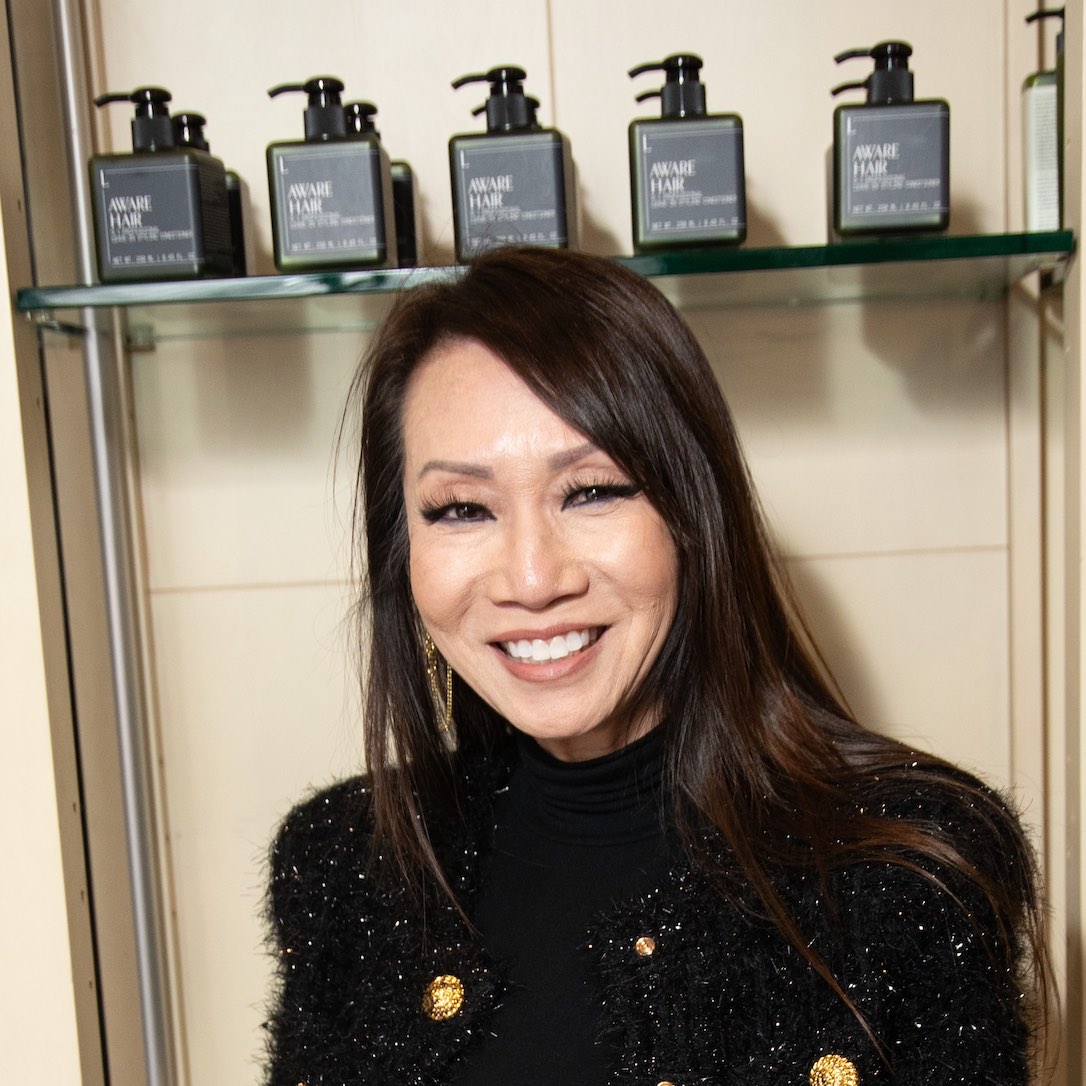
Tina Mui, Trichologist and Co-Founder, AWARE Hair
Key Takeaway: Weight loss affects more than just the hair follicle. The scalp barrier, hydration levels, microbiome balance, and sebum production all shift during significant metabolic change. Supporting this broader scalp environment is essential for creating the conditions where healthy regrowth can occur.
Environmental Factors That Compound the Issue
Hair health is rarely affected by a single factor in isolation. If your scalp is already under metabolic stress from rapid weight loss, environmental stressors that might otherwise be manageable can become the difference between mild shedding and noticeable thinning.
Hard Water
Approximately 85% of US households have hard water, meaning elevated levels of calcium and magnesium in the tap. These minerals deposit on the scalp over time, raise its natural pH, and break down the oils that hold the scalp barrier together. For someone whose barrier is already compromised by nutritional changes from weight loss, hard water can accelerate moisture loss and scalp irritation. A 2018 study found that hair regularly washed in hard water had significantly lower tensile strength compared to hair washed in deionized water.
UV Exposure
Ultraviolet radiation breaks down the protective oils on the scalp surface through oxidation. Research shows that UV can also shorten the anagen (growth) phase of hair follicles, the same phase that is already being disrupted by metabolic stress. For anyone experiencing GLP-1-related shedding, unprotected sun exposure adds another follicle-disrupting signal on top of the existing one.
Air Quality
Pollution particles smaller than a red blood cell can lodge in the scalp and trigger localized inflammation. A 2020 study found that exposure to particulate matter upregulated matrix metalloproteinases (MMPs), enzymes that break down the tissue surrounding hair follicles, by more than threefold in outer root sheath cells, and induced cell death in hair follicular keratinocytes. In urban areas with high pollution, this represents an additional stressor on an already vulnerable scalp.
| Factor | How It Compounds GLP-1 Shedding | What You Can Do |
|---|---|---|
| Hard water | Weakens an already compromised scalp barrier, increases mineral buildup | Shower filter, chelating rinse |
| UV exposure | Shortens growth phase of follicles already under metabolic stress | Hat, UV-filtering leave-in |
| Air pollution | Triggers scalp inflammation, damages follicle-supporting tissue | Gentle evening cleanse |
| Low humidity | Accelerates moisture loss from a barrier already depleted by nutritional changes | Humidifier, hydrating scalp products |
| Chlorinated water | Strips sebum and disrupts microbiome on an already stressed scalp | Pre-swim oil, post-swim gentle wash |
None of these environmental factors cause GLP-1-related hair shedding on their own. But when the scalp is already managing the metabolic stress of rapid weight loss, stacking additional stressors can slow recovery and make the shedding feel more significant than it might otherwise be.
Key Takeaway: Environmental factors like hard water, UV exposure, and air pollution do not cause GLP-1-related hair shedding, but they can compound it by adding stress to a scalp that is already under metabolic pressure. Reducing these external stressors during treatment can support faster recovery.
Supporting Your Scalp During GLP-1 Treatment
While telogen effluvium from weight loss typically resolves on its own once the body adjusts, there are practical steps you can take to support your scalp environment and create the best conditions for healthy regrowth. None of these are treatments for hair loss. They are evidence-informed practices for scalp wellness during a period of metabolic change.
Prioritize Protein and Key Nutrients
Because reduced appetite is a primary effect of GLP-1 medications, being intentional about what you eat becomes more important than ever. General guidance from dermatologists suggests aiming for 0.7 to 1.0 grams of protein per pound of ideal body weight daily during active weight loss. When you are eating less overall, every meal needs to be nutritionally dense.
- Protein - lean meats, fish, eggs, legumes, Greek yogurt. Hair is built from protein, and inadequate intake is one of the most common triggers for telogen effluvium
- Iron-rich foods - red meat, spinach, lentils, fortified cereals. Consider having your ferritin levels checked if shedding is significant
- Zinc - oysters, pumpkin seeds, chickpeas, beef. Zinc deficiency is directly linked to hair loss
- Omega-3 fatty acids - salmon, walnuts, flaxseed. These support scalp hydration and reduce follicular inflammation
- Biotin and B vitamins - eggs, nuts, whole grains. Support keratin production and hair follicle metabolism
A conversation with your healthcare provider or a registered dietitian can help you develop a nutrition plan that supports both your weight loss goals and your hair health. Supplementation may be appropriate for specific deficiencies but should be guided by blood work, not guesswork.
Adopt a Gentle Scalp Care Routine
When the scalp is under stress, the last thing it needs is aggressive cleansing. A gentle scalp detox approach works better than stripping everything away. Switch to sulfate-free shampoos with coconut-derived surfactants that clean without stripping the scalp's protective lipid layer. Look for formulas with a pH between 4.5 and 5.5, matching your scalp's natural acidity.
If you are currently washing daily, consider extending to every 2 to 3 days to give your scalp time to rebuild its protective sebum layer between washes. When you do wash, use warm water rather than hot, as temperatures above 104F dissolve protective scalp oils.
Support Scalp Hydration and the Microbiome
Hydration works on two levels: internal and topical. Drinking adequate water supports skin hydration body-wide. On the scalp surface, ingredients like hyaluronic acid can help the scalp retain moisture, while prebiotic and microbiome-supportive formulations help maintain the community of beneficial organisms that regulate scalp pH, oil production, and barrier integrity.
Anti-inflammatory ingredients like turmeric extract (curcumin) and antioxidant-rich green tea extract can help calm a reactive scalp, while botanical lipids can supplement the barrier oils that may be depleted during caloric restriction.
Reduce Environmental Stress
This is an area where small changes can make a meaningful difference:
- If you have hard water, a shower filter is one of the most cost-effective investments for scalp health
- Protect your part line from UV with a hat or UV-filtering product during peak sun hours
- In high-pollution areas, a gentle evening cleanse removes particulate matter before it can cause overnight damage
- Use a humidifier in dry indoor environments, especially during winter months when heating strips moisture from the air
When Shedding Is Normal vs. When to Seek Help
Telogen effluvium from weight loss typically follows a predictable pattern: shedding begins 3 to 4 months after the metabolic trigger and can continue for approximately 6 months. Once the body adjusts to its new weight and nutritional intake stabilizes, hair follicles gradually return to the growth phase. Most people notice regrowth beginning within 3 to 6 months after the shedding trigger resolves, though full density restoration can take up to a year.
Consider seeking professional evaluation if:
- Shedding continues beyond 6 months without improvement
- You notice patchy thinning rather than diffuse, all-over shedding
- You can see visible scalp through your hair in areas that were previously full
- Shedding began before you started weight loss medication
- You experience scalp pain, burning, or significant redness alongside the shedding
These patterns may indicate a condition other than telogen effluvium that requires different evaluation and treatment.
Key Takeaway: Supporting your scalp during GLP-1 treatment means prioritizing nutrient-dense protein, adopting gentle scalp care, maintaining hydration, and reducing environmental stressors. Telogen effluvium is typically temporary, but if shedding persists beyond 6 months or follows an unusual pattern, professional evaluation is warranted.
Working with Professionals
Hair changes during GLP-1 treatment sit at the intersection of medicine and personal care, which means the best support often comes from more than one professional.
Your Prescribing Physician
Your doctor is your first point of contact for any medication-related concerns. They can evaluate whether your shedding timeline and pattern are consistent with telogen effluvium, order blood work to check for nutritional deficiencies (ferritin, zinc, vitamin D, thyroid function), and adjust your treatment plan if needed. They may also refer you to a dermatologist for further evaluation.
What they need from you: an honest account of when shedding started relative to your medication start date, how much weight you have lost and how quickly, and any other symptoms you are experiencing (scalp sensitivity, fatigue, nail changes).
A Dermatologist
If shedding is significant, persistent, or follows an unusual pattern, a board-certified dermatologist can perform a clinical examination to distinguish telogen effluvium from other conditions like androgenetic alopecia (pattern hair loss), alopecia areata (autoimmune hair loss), or conditions related to scalp inflammation. They may use a pull test, trichoscopy, or blood work to confirm the diagnosis.
A Professional Stylist Who Understands Scalp Health
A knowledgeable stylist or trichologist can evaluate your scalp's surface condition, identify signs of barrier compromise, dryness, or product buildup, and recommend a care routine tailored to what your scalp needs right now. They see scalps every day and can often spot environmental factors (hard water damage, heat styling effects) that contribute to the problem.
This is an area where professional-grade scalp care can make a genuine difference. Salon-exclusive formulations are typically developed with gentler surfactants, more precise pH balancing, and higher concentrations of active ingredients than mass-market alternatives. If you do not currently have a stylist who specializes in scalp health, it may be worth seeking one out during this period.
Key Takeaway: The best outcomes come from a team approach: your prescribing physician for medical oversight, a dermatologist if shedding is significant or unusual, and a professional stylist who can evaluate and support your scalp's surface health. No single professional has the complete picture, so communication between them, and with you, matters.
Frequently Asked Questions
Do GLP-1 medications like Ozempic directly cause hair loss?
Current research suggests the hair shedding some people experience on GLP-1 medications is most likely telogen effluvium triggered by rapid weight loss and nutritional changes, rather than a direct pharmacological effect of the medication itself. Clinical trials for semaglutide (Wegovy) reported hair loss in approximately 3% of participants compared to 1% on placebo, and higher rates of shedding correlated with greater amounts of weight lost.
Is hair loss from GLP-1 medications permanent?
In most cases, no. Telogen effluvium is a temporary condition. Once the body adjusts to its new weight and nutritional intake stabilizes, hair follicles typically return to their normal growth cycle. Most people notice regrowth beginning within 3 to 6 months after the shedding trigger resolves, though full density restoration can take up to a year.
Should I stop taking my GLP-1 medication if I notice hair shedding?
Never adjust or discontinue a prescribed medication without consulting your healthcare provider. GLP-1 medications are prescribed for important health reasons, and the decision to continue, adjust, or stop treatment should always be made in partnership with your prescribing physician, who can evaluate your individual risk-benefit profile.
How much protein should I eat to support hair health during weight loss?
General guidance from dermatologists and nutritionists suggests aiming for 0.7 to 1.0 grams of protein per pound of ideal body weight daily during active weight loss. Hair is made almost entirely of the protein keratin, and inadequate protein intake is one of the most common nutritional triggers for telogen effluvium. Consult your healthcare provider or a registered dietitian for personalized recommendations.
When should I see a dermatologist about hair shedding during GLP-1 treatment?
Consider seeing a dermatologist if shedding continues beyond 6 months, if you notice patchy rather than diffuse thinning, if you see visible scalp through the hair in areas that were previously full, or if shedding began before starting weight loss medication. A dermatologist can distinguish between telogen effluvium and other conditions that may require different treatment.
Understand Your Scalp Environment
Receive a complimentary Scalp Environment Report tailored to your zip code, covering UV exposure, air quality, and water composition where you live. Know what your scalp is up against.
References
- Buontempo A, et al. "Exploring the hair loss risk in glucagon-like peptide-1 agonists: Emerging concerns and clinical implications." Journal of the European Academy of Dermatology and Venereology. 2025. DOI: 10.1111/jdv.20512
- Burke O, et al. "Glucagon-like peptide-1 receptor agonist medications and hair loss: A retrospective cohort study." Journal of the American Academy of Dermatology. 2025. JAAD 2025
- Novo Nordisk. Wegovy (semaglutide) Prescribing Information. Adverse Reactions: Alopecia reported in 3% of treatment group vs. 1% placebo.
- Eli Lilly. Mounjaro/Zepbound (tirzepatide) Clinical Trial Data. Alopecia reported in 5-6% at higher doses vs. approximately 1% placebo.
- Grover C, Khurana A. "Telogen effluvium." Indian J Dermatol Venereol Leprol. 2013;79(5):591-603.
- Guo EL, Katta R. "Diet and hair loss: effects of nutrient deficiency and supplement use." Dermatology Practical & Conceptual. 2017;7(1):1-10. PMC5315033
- "Telogen Effluvium Associated With Weight Loss: A Single Center Retrospective Study." Annals of Dermatology. 2024. PMC11621640
- Godfrey H, et al. "Alopecia associated with the use of semaglutide and tirzepatide: A disproportionality analysis using the FDA adverse event reporting system (FAERS) from 2022 to 2023." J Eur Acad Dermatol Venereol. 2025. PubMed: 38925559
- Branyiczky C, et al. "Effects of GLP-1 Receptor Agonists on Hair Loss and Regrowth: A Systematic Review." International Journal of Dermatology. 2025. DOI: 10.1111/ijd.70133
- Luqman MW, et al. "To Evaluate and Compare Changes in Baseline Strength of Hairs after Treating them with Deionized Water and Hard Water." Int J Trichology. 2018;10(3):113-117.
- Jun MS, et al. "Particulate Matters Induce Apoptosis in Human Hair Follicular Keratinocytes." Annals of Dermatology. 2020;32(5):388-397. PMC7992589